



Last Updated: 23 October 2026 by Team Gizexa
Introduction
Good business decisions start with good research. Before you contact a potential client, apply for a job, invest in a company, or enter a new market, you need to know who you are dealing with. A research dossier for a target company helps you do just that.
Think of it as a clear record of what you know about a business. It brings key facts, market insights, financial details, and company news into one place. Instead of searching dozens of websites each time you need information, you can use one well-organized document.
A strong company dossier also helps you spot risks and find new opportunities. It can show you who makes key decisions, what problems a company faces, and how your business can offer value.
In this guide, you will learn how to build a target company research dossier, where to find reliable data, and how to turn your findings into useful business insights.
What Is a Research Dossier for a Target Company?
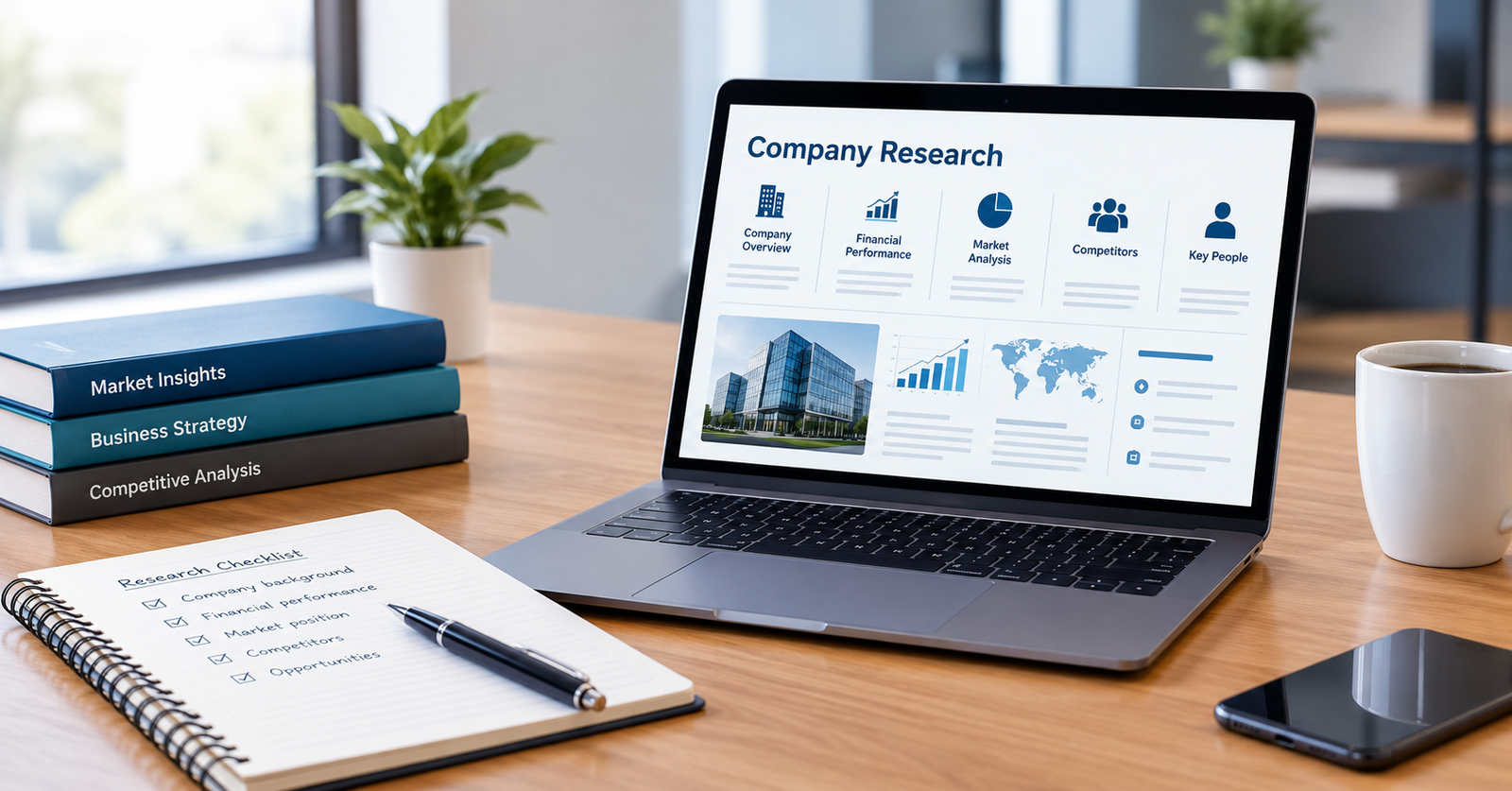
A research dossier for a target company is a structured document that gathers important facts about a business. It may cover the company’s background, products, leadership, finances, market position, customers, competitors, and future plans.
The goal is simple: help you understand a company before making a decision or taking action.
For example, imagine that you run a software company and want to sell your services to a retail brand. Before sending a sales pitch, you research the brand’s online store, recent expansion plans, customer reviews, and technology needs.
Your findings may show that the brand has opened five new stores but still uses an outdated booking system. This gives you a clear reason to offer a better solution.
That is the value of company research. It turns scattered facts into a useful plan.
Why Is Target Company Research Important?
Research helps you replace guesswork with facts. It also makes your next step more focused.
It Helps You Find Better Business Opportunities
A company dossier can reveal problems that your product or service can solve. You may discover that a business is expanding, hiring new staff, entering a new market, or changing its technology.
These changes can create opportunities for suppliers, consultants, and service providers.
For instance, a company that plans to expand into three new countries may need local marketing support, payment services, or logistics partners.
It Supports Better Decisions
Company research can help you assess whether a potential client, supplier, or investment is worth your time.
You can review public financial reports, business performance, customer feedback, and market trends before making a choice.
No single source can tell the whole story. However, several reliable sources can help you form a clearer view.
It Makes Your Communication More Relevant
A well-researched message is often more useful than a generic sales pitch.
Instead of saying, “We help companies grow,” you could explain how your service may support a target company’s recent expansion.
This shows that you understand the business and have a reason to contact it.
What Should a Company Research Dossier Include?
The contents depend on your goal. A sales dossier may focus on customer needs, while an investment dossier may require deeper financial analysis.
Still, most dossiers benefit from a few core sections.
Company Overview and Background
Start with the basics. Record the company’s official name, website, headquarters, founding year, industry, main products, and business model.
Check its official website for an overview of its services and mission. Use company reports and trusted business databases to verify important claims.
You should also note whether the company operates independently or belongs to a larger group.
Leadership and Key Decision-Makers
Learn who leads the business and who may influence the decision you care about.
Depending on your goal, this could include the chief executive, finance director, sales manager, procurement lead, or head of technology.
Official leadership pages, company announcements, and professional profiles can help you identify relevant people.
Focus on their professional roles and public business activities. Avoid collecting private details that have no clear business purpose.
Products, Services, and Customers
Study what the company sells, who buys it, and what makes its offer different.
Look at product pages, service descriptions, customer case studies, and public reviews. These sources can reveal the company’s strengths and the needs it serves.
For example, a company that sells low-cost business software may compete mainly on price and ease of use. A premium software provider may focus on security, support, and advanced features.
Understanding this difference helps you assess the company’s position in the market.
Financial and Business Performance
Financial research matters when you need to assess stability, growth, or investment potential.
For public companies, annual reports, quarterly filings, and investor presentations can provide useful information about revenue, profit, debt, and business risks.
For private companies, reliable financial information may be limited. In that case, look for official announcements, verified filings where available, and other credible public records.
Do not treat estimates as confirmed results. Always note the source, reporting period, and date of each financial figure.
Competitors and Market Position
A company does not operate in isolation. Its rivals, customers, and wider market can affect its performance.
Identify its main competitors and compare their products, prices, target customers, and market messages.
For example, a small online clothing brand may compete with large retailers on price but stand out through local designs or sustainable materials.
This comparison helps you understand what the company does well and where it may face pressure.
How to Conduct Target Company Research Step by Step
A reliable dossier follows a clear process. You do not need expensive tools to get started. You need a focused goal, good sources, and a consistent way to record your findings.
Step 1: Define Your Research Goal
First, decide why you are researching the company.
Are you preparing for a sales meeting? Assessing a supplier? Applying for a job? Exploring an investment? Each goal requires different information.
If you are preparing for a sales meeting, focus on the company’s business needs, recent changes, decision-makers, and possible challenges.
If you are assessing a supplier, focus on its track record, service quality, business stability, and ability to meet your needs.
A clear goal saves time and keeps your research relevant.
Step 2: Start With the Official Company Website
The official website is often the best starting point for target company URL research.
Review the homepage, About page, product pages, leadership section, newsroom, and investor relations page if available.
Look for recent product launches, new locations, partnerships, and changes in company strategy.
Record the page URL and the date you reviewed it. This makes it easier to check the information later.
Remember that a company website presents the business from its own point of view. Use independent sources to verify important claims.
Step 3: Check Reliable External Sources
Next, compare the company’s claims with information from other sources.
Government business registries can help verify legal details. Securities regulators publish filings for many public companies. Industry associations may provide market reports, while established news outlets can offer context about major business developments.
Professional networking platforms can help you understand leadership roles and hiring trends.
Use at least two independent sources for important claims whenever possible. If the sources disagree, note the difference instead of choosing the figure that looks best.
research company profiles and professional updates on LinkedIn
Step 4: Review Recent Company News
Recent news can show where a company is heading.
Look for mergers, acquisitions, leadership changes, new products, funding announcements, expansion plans, and major contracts.
Pay attention to dates. A five-year-old announcement may no longer describe the company’s current position.
For example, a company may have announced plans to expand into a new region but later paused the project. Your dossier should reflect the latest verified information.
Step 5: Analyze the Findings
Collecting facts is only part of the process. You must also decide what they mean.
Suppose a target company is hiring sales staff, opening new offices, and launching products in a new market. Together, these signs may suggest a growth strategy.
However, they do not prove that the company is profitable or that its plans will succeed.
Separate confirmed facts from your own analysis. This makes the dossier more accurate and useful.
Step 6: Organize and Update the Dossier
Place your findings into clear sections. Keep the most important details near the beginning.
Include source links, publication dates, and notes about any uncertainty. For key claims, record when you last checked them.
Update the dossier before an important meeting or decision. The right update schedule depends on your goal. A fast-changing market may need weekly checks, while a basic company profile may need attention only when major changes occur.
Best Sources and Tools for Company Research
You can build a useful dossier with free public sources.
The official company website is a good starting point for products, services, leadership, and company announcements. Annual reports and regulatory filings are often the strongest sources for public-company financial information.
Government registries can help verify company registration and legal status, although access and available records vary by country.
Professional networking sites can provide information about leadership roles, hiring activity, and company growth. News databases and reputable business publications can add context about market changes and corporate events.
Search engines help you find these sources quickly. Try searches that combine the company name with terms such as annual report, leadership team, new product, expansion, or financial results.
For example, searching for a company name alongside “annual report 2025” may help you find its latest published report. Check the reporting period before using the figures.
You can also use spreadsheets to organize your findings. A simple table can track each claim, its source, the date checked, and your confidence in its accuracy.
Common Mistakes to Avoid During Company Research
One common mistake is relying only on the target company’s website. Official pages are useful, but they may not reveal every risk or weakness.
Another mistake is using outdated information. Leadership teams, products, prices, and business plans can change quickly.
It is also easy to confuse assumptions with facts. A rise in job listings may suggest growth, but it does not prove that revenue has increased.
Avoid collecting large amounts of irrelevant information. A dossier should support a decision, not become a collection of every fact you can find.
Finally, respect privacy and legal limits. Use public, legitimate sources and handle business information responsibly. Never use deceptive methods to access confidential records.
How to Turn Research Into Actionable Business Insights
A strong dossier should guide your next move.
Start by identifying the three findings that matter most to your goal. Then explain why each finding matters and what action it supports.
Imagine that your research shows a target company has expanded its customer support team, received public complaints about response times, and launched a new customer portal.
These facts may point to an opportunity for support automation or customer experience consulting. Before contacting the company, verify that the problem is relevant and that your offer can address it.
You can then prepare a focused proposal that refers to the company’s public business priorities without making unsupported claims about its internal problems.
This approach makes your research practical. It connects evidence to a clear business action.
How to Measure the Quality of Your Research Dossier
A good dossier is accurate, relevant, current, and easy to use.
Check whether the most important claims have reliable sources. Confirm that financial figures include the correct period and currency. Make sure the company identity is correct, especially when several businesses have similar names.
Review whether the findings answer your original research question. If the document contains many facts but offers no clear next step, it may need more analysis.
You can also assess its usefulness by the results it supports. For sales research, this may include better-qualified leads or more relevant meetings. For supplier research, it may mean fewer unknowns before signing a contract.
These measures will vary by goal, but they help you improve the research process over time.
Google’s guidance on helpful and reliable content
Frequently Asked Questions
What Is a Target Company Research Dossier?
A target company research dossier is a structured document containing key information about a business. It may include company background, leadership, products, financial performance, competitors, recent news, and potential opportunities.
How Do I Research a Target Company?
Start by defining your goal. Review the company’s official website, check reliable public records, read recent news, study its market position, and verify important claims with independent sources. Then organize your findings into a clear report.
What Is the Best Source for Company Research?
The best source depends on the information you need. Official company websites are useful for products and leadership. Annual reports and regulatory filings are valuable for public-company financial data. Government registries can help verify legal details.
How Long Should a Company Research Dossier Be?
There is no fixed length. A brief dossier for a sales meeting may need only a few pages, while an investment or supplier assessment may require a more detailed report. Focus on relevant, verified information rather than page count.
How Often Should You Update a Company Dossier?
Update it whenever a major change affects your research goal. For active sales prospects, review the dossier before important meetings. For investment or supplier assessments, check recent filings, news, and other relevant developments before making a decision.
Can I Create a Company Research Dossier for Free?
Yes. You can use company websites, public filings, government records, reputable news sources, search engines, and spreadsheets. Some detailed financial databases and market reports require paid access, but many useful facts are available for free.
What Is the Difference Between a Company Profile and a Research Dossier?
A company profile usually provides a general overview of a business. A research dossier goes further by examining the company’s market position, recent developments, risks, opportunities, and relevance to a specific goal.
Conclusion
A research dossier for a target company helps you make informed decisions with less guesswork. It brings company facts, financial information, market insights, and recent developments into one clear record.
The best approach is to start with a specific goal, use reliable sources, verify important claims, and focus on insights that support your next move. Keep the document organized and update it when new information becomes available.
You do not need a costly research platform to get started. A clear process and careful source checking can help you build a useful dossier with public information.
Ready to improve your business research? Start building your target company dossier today. Choose a company, gather verified facts, identify key opportunities, and turn your findings into a practical plan for your next business decision.
